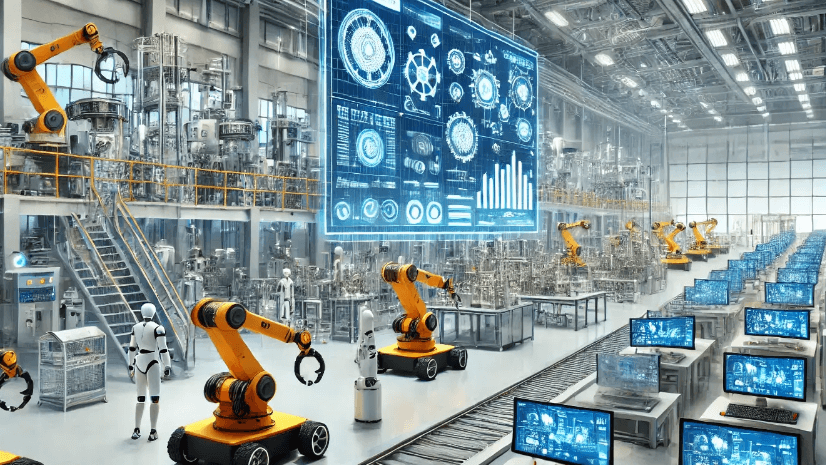
In an era defined by rapid technological progress, artificial intelligence (AI) is playing a transformative role in enhancing safety across industries, especially in complex, high‑risk environments such as chemical plants. These facilities handle hazardous materials, complex processes, and stringent regulatory requirements, all of which demand robust safety systems.
Table of Contents
By utilizing advanced data analytics, real time monitoring, and predictive algorithms, AI helps organizations identify potential issues before they escalate, optimize operational workflows, and reduce the likelihood of human error. As a result, the integration of intelligent systems is no longer a futuristic concept but an emerging standard for maintaining safer and more resilient industrial operations.
For chemical plant facilities and refineries in particular, where the stakes are exceptionally high, modern safety strategies increasingly incorporate AI‑driven tools to support decision‑making and risk mitigation. Resources such as https://bluegrassbit.com/industries-we-serve/chemical-plants-and-refineries/ highlight the unique challenges these environments face and the value of adopting technologies that enhance visibility and control.
By enabling earlier anomaly detection and facilitating proactive maintenance, artificial intelligence is reshaping how chemical plants approach safety and reliability.
Enhancing Hazard Detection
AI systems are redefining how chemical plants detect and respond to hazards. Traditional methods often rely on periodic inspections and human observation. However, AI can analyze enormous volumes of sensor data in real time, detecting unsafe conditions that previously went unnoticed.
Modern anomaly detection models utilize machine learning to learn from past incidents and flag new irregularities, significantly reducing the chances of process excursions and equipment failures. For example, deep learning algorithms can spot subtle changes in chemical plant process data, such as unusual temperature or pressure trends, long before they become critical, thereby increasing both worker safety and environmental protection.
Predictive Maintenance of Chemical Plant
Predictive maintenance uses AI-driven analytics to anticipate equipment malfunctions and schedule repairs before breakdowns occur. In the chemical industry, where even minor equipment failures can result in dangerous leaks or costly production losses, this proactive approach is a game-changer.
AI monitors performance indicators continuously and learns typical failure patterns by analyzing historical data. As a case in point, companies like SABIC have reported savings of hundreds of thousands of dollars through the early detection of equipment stress or wear, as highlighted by industry news platforms.
Predictive maintenance not only saves costs but also it decreases the chances of safety incidents caused by equipment malfunctions.
Real-Time Monitoring
Real-time continuous monitoring is crucial for maintaining plant safety, especially in environments where conditions can change rapidly. AI-driven platforms have been designed to track various factors such as equipment status, ambient temperature, and hazardous gas presence.
Systems such as Chemist Eye employ computer vision and advanced language models to identify noncompliant activities, detect possible fires, and even recognize workers in distress. By automatically analyzing video feeds and environmental sensors, AI offers an added layer of vigilance that human teams cannot match, ensuring quicker response to emergencies.
Intelligence Augmentation
AI’s greatest safety benefits often come from its ability to augment human judgment rather than replace it. Intelligence Augmentation (IA) frameworks merge the speed and pattern recognition capabilities of AI with the insight and adaptability of human operators.
Researchers continue to refine these systems to serve as a second set of eyes, providing automated recommendations while leaving critical decisions to experienced safety professionals. Recent advancements at Texas A&M University are paving the way for seamless, intuitive collaborations between operators and AI, enabling plant personnel to better manage complex emergencies and high-stress situations.
Read also: How Great AI Speakers Bridge Complex Tech and Human Insight
Digital Twins
Digital twins are virtual models of chemical processes or equipment that operate in parallel with their physical counterparts. These AI-powered replicas allow plant managers to test the impact of parameter changes, simulate abnormal events, and optimize process flows without risking real-world safety.
BASF’s partnership with Siemens is a leading example: their AI-enhanced digital twins have enabled efficient energy consumption strategies and improved yield consistency in large-scale production, serving as a blueprint for future plants. Digital twins are now a foundational tool in safety planning, emergency preparedness, and continuous improvement.
Challenges and Future Directions
While AI offers considerable safety benefits, several challenges must be addressed. Data quality remains a critical concern; poor data can lead to faulty predictions and missed hazards. There is also a need for transparent, explainable AI systems that regulators and plant staff can trust. Additionally, integrating sophisticated AI tools with legacy safety protocols requires careful planning and workforce training.
Industry leaders and academic experts are working on Establishing standards and best practices to guarantee the effective adoption of AI in chemical plant safety continues to advance in a responsible and effective manner.
More on industrial safety trends and AI standards can be found in the Journal of Loss Prevention in the Process Industries. Continued collaboration between technology developers, safety professionals, and regulators will be essential to fully realize AI’s potential while maintaining rigorous safety standards.
Conclusion
Artificial Intelligence is becoming an essential asset in creating safer chemical plants. By enhancing hazard detection, revolutionizing equipment maintenance, providing real-time oversight, augmenting human expertise, and powering digital twins, AI is shaping a new future for industrial safety.
As chemical facilities continue to embrace data-driven solutions, the combination of human skill and AI-driven technology is set to redefine what is possible in plant safety and operational excellence.