Maintaining the integrity of a commercial roof is one of the most essential investments for any business property. Without routine attention, even minor roofing issues can escalate into expensive emergencies, threatening both infrastructure and inventory. For property owners and managers, scheduling a commercial roof inspection Orlando, FL is a strategic step that reduces risks and unexpected expenses, making proactive roof care a business priority.
Table of Contents
Introduction
A commercial roof requires more than just occasional visual checks. Unnoticed leaks, hidden storm damage, or slow drainage can lead to extensive repairs down the road.
By establishing a regular inspection routine, building managers can catch issues at their earliest stages and plan repairs or upgrades. This prevents avoidable disruption and protects the property’s long-term value.
Many business owners allocate their maintenance budgets to visible structural elements or tenant-facing repairs, sometimes neglecting the roof that shelters the entire operation.
The costs associated with poor maintenance can mount quickly, from interior water damage to liability from slips or mold. Proactive care helps avoid these pitfalls and promotes a safer, more efficient workspace.
Ignoring your roof not only risks the structure itself but also affects insurance claims, increases operational costs, and poses safety hazards to employees and visitors. Establishing a clear inspection and maintenance plan is not only a practical necessity but also a smart financial decision for any business with commercial property.
The Importance of Regular Commercial Roof Inspections
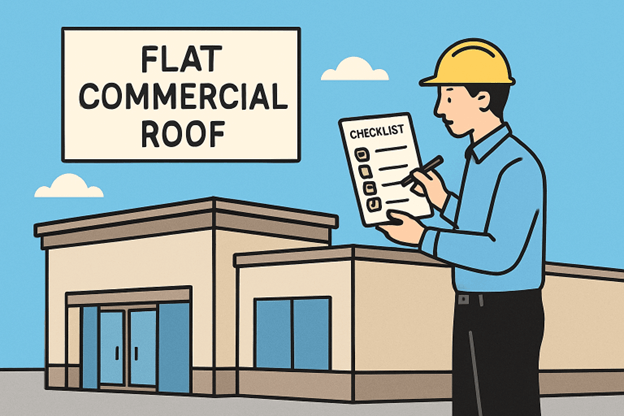
A consistent inspection schedule builds resilience into your facility’s operations and helps ensure uninterrupted business. Commercial roofing professionals recommend inspections twice a year, usually in spring and fall. This timing captures seasonal transitions, identifies temperature-related vulnerabilities, and helps prepare the building for extremes in weather.
In addition to scheduled maintenance, prompt inspections are crucial following severe weather. Events such as hail, heavy rainfall, or strong winds can create damage that may not be apparent at first glance.
Industry best practices suggest scheduling a certified inspector within 48 hours after such incidents so any vulnerable spots or leaks can be addressed before they evolve into larger, more costly repairs. Regular inspections not only reveal developing problems but also help verify the effectiveness of past maintenance efforts and prevent redundant work.
Industry research from the National Roofing Contractors Association indicates that routine inspections and care can extend a commercial roof’s lifespan by up to 50 percent compared to neglectful approaches.
Common Issues Identified During Inspections
Thorough inspections often uncover a range of issues that, if left unaddressed, can lead to significant repair costs. The most common include:
- Ponding Water: Standing water is a warning sign of drainage deficiencies. Persistent ponding accelerates the breakdown of roofing membranes, increases loading on structural components, and is a frequent cause of interior leaks.
- Membrane and Seam Failures: Seams that separate or are punctured membranes are rarely visible from inside the building. These issues often worsen through cycles of freezing and thawing, which increase the risk of water infiltration and more serious structural damage.
- Drainage System Clogs: Accumulations of debris, such as leaves or sediment, can block roof drains and downspouts. Clogged drainage accelerates water pooling, increases the risk of leaks, and increases the risk of damage to the building’s structure and interior.
Professional inspectors are trained to assess not only the roof’s visible surface but also underlying components and drainage systems, providing building managers with a complete picture of roof health.
Structuring an Inspection Schedule
Optimizing roof performance requires a structured, reliable Commercial Roof inspection plan. The following components are essential for a successful schedule:
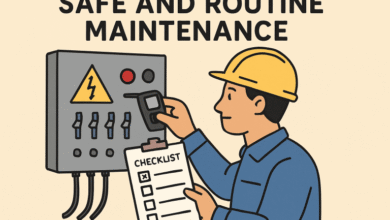
- Biannual Inspections: Undertake comprehensive checks in spring and fall. These should include assessments of membrane condition, flashing, seams, and drainage systems.
- Post-Weather Event Checks: Conduct prompt inspections within 48 hours of major weather events. Even if there is no visible interior damage, small punctures or seam separations may have occurred that require immediate attention.
- Consistent Maintenance: Schedule debris removal, gutter and drain cleaning, and minor repairs as part of ongoing, routine care to reduce the development of major structural problems.
A documented inspection and maintenance schedule can also improve your standing with building insurers, who typically reward proactive care with lower premiums.
See also: Innovative Strategies for Streamlining Complex Assembly Processes
Benefits of Proactive Maintenance
Proactive roof care does more than prevent repairs. It creates lasting value for business owners and tenants through:
- Cost Savings: Preventing leaks and major repairs saves money over the long term. Regular maintenance can extend the roof’s lifespan, reducing the frequency and cost of large-scale replacements.
- Energy Efficiency: Well-maintained roofing systems improve building insulation and reduce air leaks, helping lower energy bills and maintain a more stable indoor temperature year-round.
- Reduced Safety and Liability Risks: Addressing hazards such as potential leaks or mold protects employees, visitors, and inventory while reducing potential insurance liabilities.
A strong maintenance program demonstrates compliance with local safety regulations and provides a record of upkeep that may be valuable during future property sales or lease negotiations.
Choosing the Right Professional for the Job
Selecting an experienced, qualified roofing contractor ensures thorough, accurate inspections that comply with local building codes. Look for a professional with commercial roofing expertise, appropriate licensing and insurance, and a history of positive client reviews.
A good contractor will provide detailed inspection reports that include photographs, prioritized repair recommendations, and guidance on creating a personalized maintenance plan. Choosing the right partner builds a foundation of trust and reliability for your facility.
Conclusion
Proactive commercial roof inspections are essential for safeguarding property investments and ensuring operational continuity. By identifying potential concerns early and scheduling regular professional assessments, business owners can mitigate risks, optimize costs, and extend the life of their commercial roofing assets. Structured care will keep your facility resilient and ready to weather the unexpected.