Between summer sun, sudden rain, construction dust, highway debris, and crowded parking lots, a daily driver in Hutto works hard for its owner. Choosing ceramic coating for cars in Hutto, TX can be one part of a practical plan that keeps a vehicle easier to clean while supporting a polished appearance through regular commuting, school runs, and weekend trips around Central Texas.
Table of Contents
Why Hutto Daily Drivers Need a Practical Upgrade Plan
Rather than upgrading a vehicle because a product is popular, start with the real problem. A driver who parks outside may prioritize heat control and paint care. Someone who travels frequently on SH 130, US 79, or nearby highways may be more concerned about rock chips and road grit. A family vehicle may need durable interior detailing and easy-clean surfaces first.
Use four questions to set priorities: What issue needs to be solved? How often is the vehicle driven? Which surfaces receive the most wear? What budget leaves room for professional installation and future maintenance? Personalization is increasingly tied to protection, but useful upgrades should still make ownership simpler.
For many Hutto owners, the strongest plan combines comfort, surface protection, and sensible maintenance. It does not require a full makeover. It requires choosing upgrades that hold up to hot pavement, UV exposure, pollen, mud, and the small daily wear that builds over time.
When comparing local options, search for automotive ceramic coating near me with the same care used for any major vehicle service. Ask what preparation is included, how long the coating is expected to perform, and what washing practices will help preserve the finish.
Choosing Window Film for Comfort and Visibility
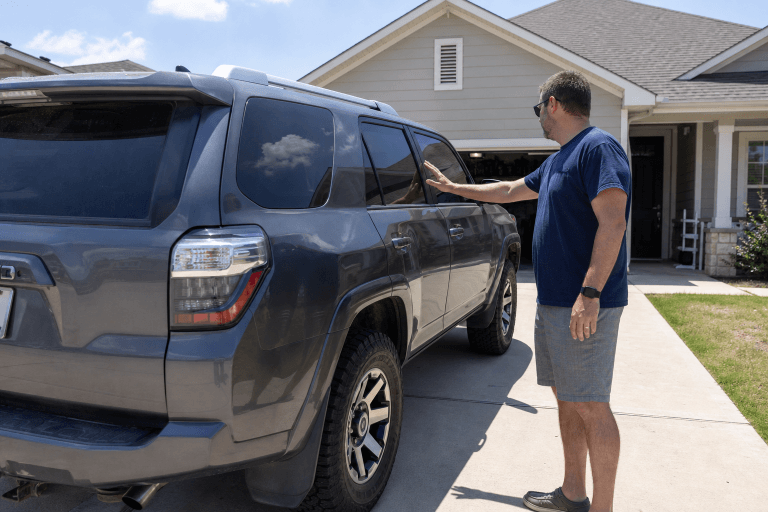
Window film can reduce glare, improve cabin comfort, and help limit UV exposure. Dyed film is commonly chosen for appearance and affordability, while carbon film offers steadier color. Metallic film can reject heat effectively, but may interfere with signals. Ceramic film typically provides strong heat rejection without relying on metal, although it usually costs more.
Darker is not automatically cooler. Heat rejection depends on the film’s construction, not only its visible darkness. Before installation, confirm the final visible light transmission through both film and factory glass. Texas drivers should also review the state’s front-side-window requirements before selecting a shade. Clear visibility matters on early-morning commutes, rainy evenings, and unlit rural roads outside town.
Where Paint Protection Film Makes Sense
Paint protection film, often called PPF, is a clear urethane film designed to help defend paint from small stones, bugs, road grit, and light surface scratching. It is especially useful on vulnerable areas such as the front bumper, mirrors, partial hood, fenders, rocker panels, door edges, and door cups.
A full front-end package makes sense for frequent highway drivers and owners who plan to keep a newer vehicle for years. Limited coverage can be a smart alternative for a budget-conscious commuter. Consider the vehicle’s color, existing paint condition, miles driven, and whether it regularly encounters gravel, active construction zones, or long interstate trips.
Ceramic Coatings and Realistic Expectations
A ceramic coating bonds to the vehicle’s prepared exterior and can improve gloss, water behavior, and routine cleaning. It may help resist staining from contaminants, bird droppings, and road film when those materials are removed promptly. It does not make paint immune to chips, deep scratches, or collision damage.
Preparation is the foundation of the result. Existing swirls, oxidation, or scratches should be assessed before coating because the coating can preserve the appearance beneath it. Professional coatings generally last longer than spray protectants or traditional wax, but every product still benefits from careful washing and periodic inspection.
Detailing Habits That Preserve Protection in Hutto
Use a simple routine: rinse away loose grit, wash with vehicle-safe shampoo and a clean mitt, work from the roof downward, rinse the mitt often, and dry with clean microfiber towels or filtered air. Avoid harsh household cleaners, abrasive automatic brushes, and dirty towels that can grind debris into paint or film.
Interior care matters just as much in Hutto’s heat. Vacuum regularly, clean touchscreens with products meant for electronics, and use material-appropriate cleaners on leather, cloth, vinyl, and plastic trim. Promptly removing sunscreen residue, drink spills, and pet hair prevents avoidable wear.
See also: How To Create A Calm, Nature-Inspired Home With Plants, Art, And Decor
Wheels, Tires, and Exterior Details
Larger wheels and lower-profile tires can sharpen appearance, but they can also reduce ride comfort, increase road noise, and make curb damage more likely. Choose wheel sizes, tire sizes, and load ratings that match the vehicle manufacturer’s specifications. The driver-side door-jamb placard identifies the recommended tire size and pressure for the vehicle.
Check tire pressure when tires are cold, rotate them on the manufacturer’s schedule, inspect for uneven wear, and use wheel-safe cleaners. Repair curb rash before exposed metal corrodes, particularly after wet weather and road-salt exposure during occasional winter travel.
Audio, Electronics, and Vehicle Security
Modern upgrades can add useful daily convenience, including hands-free audio, backup cameras, dash cameras, remote start, parking sensors, and alarm systems. Compatibility is essential. Before adding equipment, verify that it will not interfere with factory screens, cameras, driver-assistance features, sensors, or smartphone connections. Professional wiring helps prevent battery drain, loose connections, and difficult-to-trace electrical issues.
Budgeting and the Best Upgrade Order
Divide spending into three categories: comfort, protection, and personalization. Start with safety-related repairs, then correct paint or surface issues. Add PPF where impact protection is needed, apply a coating after preparation, install legal window film, and finish with wheels, electronics, graphics, or lighting. This order reduces the chance of paying twice for detailing or rework.
Questions to Ask an Installer
- Which specific film, coating, or electronic components will be installed?
- How will paint, glass, trim, and interior surfaces be prepared?
- What does the warranty cover, and what maintenance could affect it?
- How are lifting edges, bubbles, discoloration, or installation defects handled?
- Does the installer have experience with the vehicle’s cameras, sensors, and interior materials?
Frequently Asked Questions
Does window film help protect the interior?
Quality film can reduce glare and UV exposure, which may help limit fading and heat buildup. Performance depends on the film type, glass, and installation quality.
Is PPF worthwhile on an older vehicle?
It can be, particularly after paint correction or after years of highway use. Severely damaged paint should be evaluated first because film will not repair failed clear coat or deep defects.
Should comfort or appearance come first?
Start with the concern that affects daily use the most. For one Hutto driver, that may be windshield glare and hot seats. For another, it may be front-end protection from frequent highway miles.
Conclusion
Smart vehicle upgrades are not about adding everything at once. They are about matching comfort, protection, maintenance, safety, and appearance to how a vehicle is actually used in Hutto, Texas. With a clear plan and quality installation, daily drivers can stay more comfortable, look better longer, and remain easier to enjoy year after year.