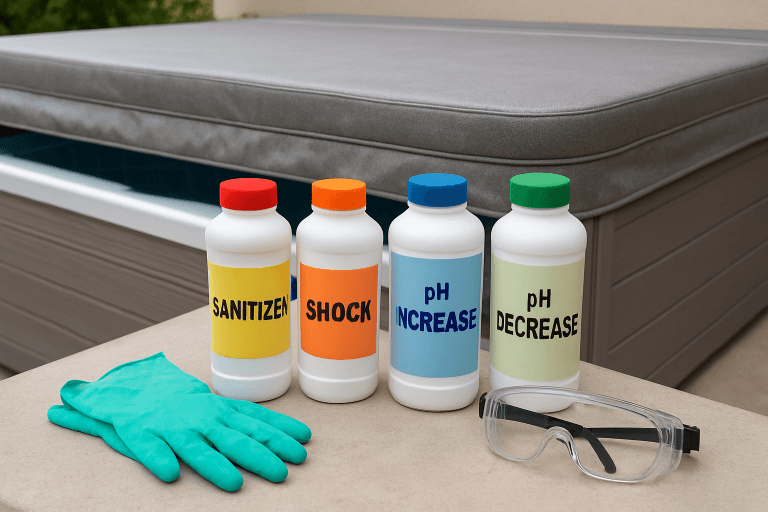
Hot tubs are a cherished feature in many homes, providing a source of comfort and relaxation after a long day. However, ensuring that your hot tub remains a healthy retreat requires careful chemical management and a clear understanding of the products you introduce to the water.
Table of Contents
Introduction
Many homeowners are concerned about the safety of these chemicals and how best to handle them, especially for their families and pets. To maintain your hot tub’s optimal condition and safeguard your health, it’s important to know where to buy hot tub chemicals in Salt Lake City and to use high-quality products suitable for your model.
Common hot tub chemicals, such as sanitizers, pH adjusters, and shock treatments, play crucial roles in keeping the water free of contaminants. Yet improper use or storage can pose significant health risks, including skin and eye irritation and more severe reactions.
It is equally vital to have a solid grasp on chemical balancing to protect both users and the integrity of your hot tub system. The following guide covers best practices for responsible hot tub chemical use.
Understanding Hot Tub Chemicals
Every hot tub owner should become familiar with the essential chemicals necessary for water safety and comfort. The three major categories are:
- Sanitizers: indispensable for killing bacteria, viruses, and other microorganisms. Chlorine and bromine are the most common options, each with its benefits and application considerations.
- pH Balancers: Maintaining the correct pH (acidity or alkalinity) ensures sanitizers work correctly and helps prevent scale, corrosion, or cloudy water.
- Shock Treatments: Used to oxidize organic contaminants like sweat and lotions, these treatments reinvigorate sanitizers and keep water clear.
Without these chemicals, bathers are at risk of infections or irritation, and the hot tub’s equipment could deteriorate over time due to imbalanced or dirty water.
Potential Health Risks
The greatest risks with hot tub chemicals stem from misuse or neglect of water sanitation. Excess sanitizer, such as an overdose of chlorine, can cause skin, eye, or respiratory irritation. Conversely, inadequate sanitation can lead to rashes, “hot tub itch,” and more serious infections from resilient bacteria, especially in heated environments. Homeowners should always maintain proper chemical levels to minimize these risks.
Additionally, individuals with allergies or sensitivities may experience reactions to certain chemical types. Children, pets, and the elderly are particularly vulnerable. Monitoring water quality, paying attention to odor, clarity, and how the water feels after exposure, is a wise precaution.
Safe Handling and Storage
Hot tub chemicals pose similar hazards as household cleaners. They should always be stored in original containers, tightly sealed, and kept in a cool, dry location away from both sunlight and water. Children and pets should never have access. When adding chemicals, pour them into water rather than adding water to chemicals, and do so in a well-ventilated area.
- Wear gloves and use protective eyewear, as some substances can burn skin or eyes upon contact.
- Do not mix different chemicals, as they can react violently or produce toxic fumes.
- Rinse containers thoroughly after use and store them separately from other household products.
Proper Chemical Balancing
Testing your hot tub water frequently is essential for safe soaking. You can use easy-to-read test strips or digital meters to monitor chlorine (3-5 ppm for chlorine, 4-6 ppm for bromine) and pH (7.2-7.8). Total alkalinity should also be tested and adjusted as needed.
If chemical levels drift too far outside these ranges, the water can become unsafe, irritating, or damaging to hot tub components. It is advisable to reference the Pool & Hot Tub Alliance’s hot tub safety recommendations for a detailed overview of testing methods and safe ranges for your water chemistry.
Alternatives to Traditional Chemicals
Innovations such as saltwater systems and mineral-based purifiers have gained popularity among homeowners seeking to reduce chemical dependency. Salt systems convert salt into low levels of chlorine through a generator, which some users find gentler on the skin and less odorous.
Mineral cartridges, on the other hand, slowly release sanitizing silver or copper ions into the water, inhibiting bacterial growth. While these options can minimize the need for traditional chemicals, they do not mean you can eliminate hot tub chemicals testing or reduce routine maintenance.
Regular monitoring is still required for safety and proper operation, as noted by residential water treatment guides from large health organizations.
Regular Maintenance Practices
A disciplined maintenance routine plays a major role in hot tub safety. The most effective practices include:
- Testing water chemistry at least twice a week, and before or after high usage periods.
- Cleaning and inspecting filters regularly to avoid clogging and ensure strong water flow.
- Draining and thoroughly scrubbing the hot tub chemicals every three to four months to remove biofilm, scale, and chemical residue buildup.
Scheduled maintenance will prolong the life of your hot tub equipment and protect users from the majority of waterborne issues or uncomfortable chemical levels.
See also: Creative Uses for Granite in Modern Homes
Conclusion
While hot tub chemicals are necessary to maintain clean, safe water, their power comes with responsibility. Storing, handling, and balancing chemicals according to expert guidance is non-negotiable for homeowner safety and enjoyment.
Alternatives offer some relief from chemical dependency, but no system is free from the need for monitoring. By taking a proactive, knowledgeable approach to hot tub chemicals care, you can transform your spa into a true sanctuary without fear of harm to your family, guests, or equipment.