Routine plumbing maintenance plays a critical role in protecting homes from costly and disruptive damage. Small issues such as slow leaks, minor clogs, or worn-out seals often develop gradually and may go unnoticed until they escalate into serious problems.
Table of Contents
Regular inspections can help identify early warning signs before they lead to burst pipes, water damage, or mold growth. Periodic checks of pipes, fixtures, and water pressure can ensure the entire system functions efficiently. Preventive maintenance also helps to extend the lifespan of plumbing systems while ensuring safe, reliable water flow throughout the home.
In addition, routine maintenance encourages homeowners to address concerns proactively rather than reactively. Tasks such as clearing drains, inspecting water heaters, and examining exposed pipes can reduce the risk of unexpected failures.
When complex issues arise, consulting a local plumber in Riverton UT or another qualified professional can help ensure proper evaluation and repair. By staying attentive to plumbing health and scheduling routine checkups, households can significantly lower the chances of sudden plumbing emergencies and the extensive repairs that often follow.
Regular Inspections: The First Line of Defense
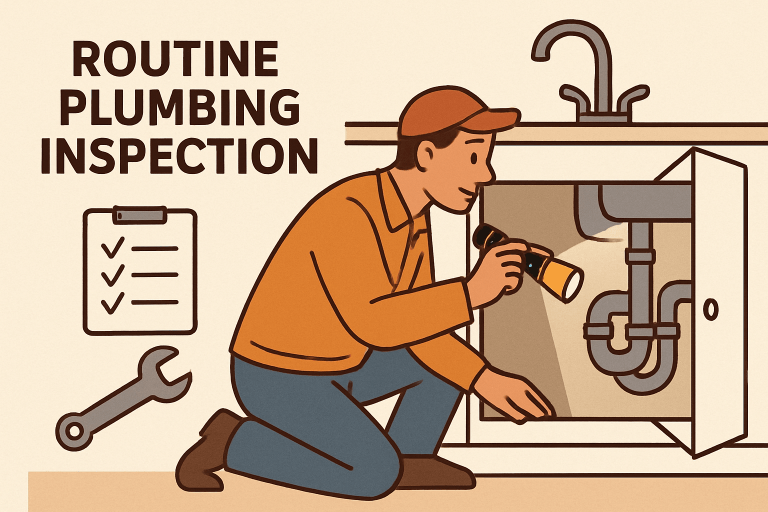
Performing regular inspections allows you to spot early warning signs such as leaks, corrosion, or loose fittings before they become major headaches. At least once a month, glance beneath sinks, behind appliances, around water heaters, and along exposed pipes for any dripping water or moisture.
Take note of odd sounds or odors that signal trouble, such as gurgling drains or musty smells, as these may indicate a hidden leak or blockage.
Setting a routine schedule for visual checks keeps problems from going unnoticed. Homeowners who take just a few minutes each month to check faucets, toilets, and visible pipes can often catch issues before they spiral out of control.
Drain Care: Preventing Blockages and Overflows
One of the most common plumbing disasters is water overflow from blocked drains. Preventing these is usually simple:
- Install drain guards in sinks, showers, and tubs to filter out hair and debris.
- Never pour grease, fats, or starchy foods down the kitchen sink. These substances harden and adhere to the interiors of pipes creating stubborn clogs.
- Run hot water down the drains after washing dishes to help clear away minor residue.
- Once a month, clean drains with environmentally friendly mixtures like baking soda and vinegar.
Paying attention to what goes down your drains and doing some light maintenance keeps water flowing freely and reduces the likelihood of damage from backups.
Seasonal Maintenance: Adapting to Weather Changes
Different seasons create new challenges for home plumbing systems. When temperatures drop in winter, water inside Pipes can freeze, causing them to expand and potentially burst. To prevent this, add insulation to Pipes located in unheated areas, such as garages, basements, and crawl spaces, are at risk of freezing.
In colder climates, disconnect outdoor hoses and use faucet covers to shield outdoor faucets from freezing. As summer approaches, increased family water use can strain your system, so check for leaks and ensure the water pressure is optimal.
Reviewing and updating your plumbing maintenance routine with each season greatly reduces the risk of weather-related disasters and extends the life of your pipes.
Educating Household Members: Promoting Proper Usage
Getting the whole household on board with good plumbing practices is the easiest way to avoid avoidable problems. Teach children and other residents about what should and should not go down bathrooms drains and toilets.
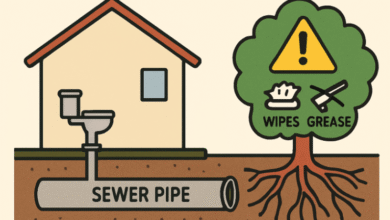
Only flush human waste and toilet paper, never sanitary products, wipes, or paper towels. Regularly remind everyone not to dispose of food scraps, grease, or other debris in the sink. Simple rules and clear signage near trouble spots, like kitchen or bathroom sinks, help reinforce these habits.
Read also: Preventing Sewer Line Backups at Home
Professional Inspections: When to Call the Experts
Even the best home routine should be complemented with a professional inspection every one to two years. Professionals use specialized tools to check areas inaccessible to homeowners, such as pipes behind walls or below foundations.
With their expertise, they can often spot and correct hidden leaks or early-stage corrosion, potentially saving thousands of dollars in water-damage repairs. Regular checkups from a licensed plumber are essential, especially in older homes or properties with previous plumbing issues.
Addressing Minor Issues Promptly
Small fixes matter Whether it is a slow-dripping faucet, a worn washer, or a loose pipe connection, addressing these issues right away is critical. A single faucet that drips a leak can waste over 3 thousand gallons of water in a year.
Swiftly replacing faulty seals or pipes prevents the gradual buildup of moisture that can lead to rot, mold, or more serious mechanical failures. Keeping a few basic tools and parts on hand lets you handle minor problems immediately, saving you both time and money in the long run.
Conclusion
A comprehensive plumbing maintenance plan is more than just a checklist; it is a commitment to home safety and financial security. Regular inspections, attentive drain care, timely seasonal adjustments, and educating your family all help prevent costly disasters.
When paired with periodic professional checkups, these simple habits ensure your plumbing system remains reliable year-round and help maintain your property’s value. A little diligence today safeguards your home from tomorrow’s unexpected emergencies.