In today’s commercial construction industry, roofing is no longer just about providing basic shelter. It has become a canvas for innovation, where technology, energy efficiency, and sustainability converge to add genuine value to buildings.
Advancements in materials and techniques mean that facility owners and managers have new opportunities to optimize building performance and longevity. For businesses considering upgrades in places like Kansas City, exploring specialized options such as https://jrcousa.com/kansas-city/commercial-roof-replacement/ can be an essential first step toward transforming their commercial properties.
Table of Contents
Introduction
From reflective coatings that cut cooling costs to living green roofs that turn concrete jungles into vibrant habitats, today’s roofing solutions deliver benefits that extend well beyond protection from the elements. The right roof can contribute to a facility’s energy efficiency, sustainability, and resilience, making it a crucial part of any modern commercial building plan.
Replacing or upgrading a commercial roof today means integrating solutions designed to stand the test of time. Property decision-makers must consider not just the upfront investment but also long-term savings, maintenance needs, and environmental impact. The evolution of commercial roofing has introduced options that help meet local building codes, green building certifications, and even branding goals with attractive, functional results.
To help you navigate the possibilities, this article explores the latest trends in modern commercial building, focusing on systems and materials that are redefining what commercial buildings can achieve. These advances are not only influencing construction strategies but also shaping new performance standards across the industry.
Energy-Efficient Roofing Materials
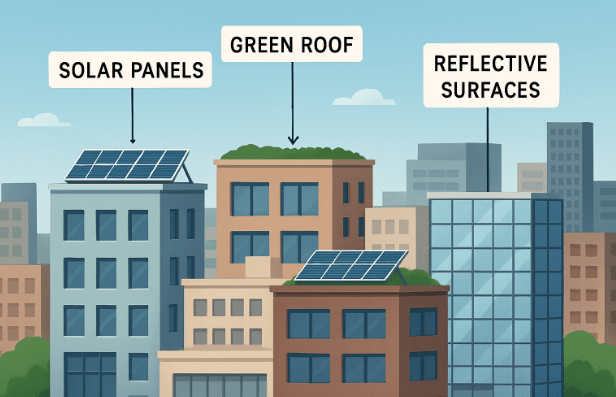
Cutting-edge energy-efficient roofing materials are among the most impactful upgrades available for commercial buildings today. Modern membranes, such as TPO (thermoplastic polyolefin) and PVC (polyvinyl chloride), feature reflective surfaces that help reduce heat gain in buildings.
By deflecting solar radiation, these materials can significantly lower air conditioning expenses in large structures with extensive flat roofs. According to U.S. Department of Energy resources, these ‘cool roofs’ can yield tangible energy savings and improve indoor comfort, especially during summer months.
Green Roofs and Sustainable Designs
Green roofs, which combine waterproof membranes, soil, and vegetation, are gaining traction in urban areas where space and sustainability are at a premium. These roofs offer natural insulation, reduce stormwater runoff, and help mitigate the urban heat island effect.
In addition to improving a building’s energy profile, green roofs provide spaces for leisure and biodiversity, boosting property value and tenant satisfaction.
Leading cities across the globe, such as San Francisco, have adopted green roof requirements on new commercial developments, highlighting their growing role in sustainable city planning. Learn more about the science behind green roo-fing from National Geographic.
Smart Roofing Technologies
The rise of smart building technology has extended to commercial roofs. Innovative systems now embed Internet of Things (IoT) sensors throughout roof assemblies to monitor conditions in real time. These sensors track moisture levels, detect insulation gaps, and provide thermal data, sending alerts to property managers before minor issues escalate into major repairs.
Innovative roofing not only enhances preventive maintenance but also extends the roof’s functional life, protecting investments and supporting efficient facility management. According to Forbes, IoT technology is transforming commercial facility management, including roof systems.
Solar-Integrated Roofing Systems
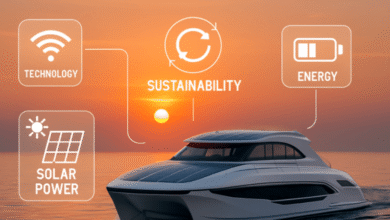
With the intensifying focus on clean energy, solar-integrated roofing is witnessing rapid growth in commercial construction. Flexible solar membranes and solar shingles can be installed directly onto roofs, allowing companies to generate renewable energy at the point of use.
Modern systems are designed to integrate seamlessly with existing building materials, maintaining waterproofing and curb appeal while slashing utility bills. Commercial buildings with on-site solar are better positioned to meet energy codes and sustainability benchmarks and can often benefit from local and federal tax credits or incentives.
Advanced Roofing Coatings
New advances in roofing coatings, particularly in silicone and acrylic formulas, have opened the door to energy efficiency, durability, and easier maintenance. Advanced coatings provide robust UV protection and water resistance, which extends the lifespan of building materials.
Applying these coatings to older roofs can delay the need for a complete replacement and keep maintenance costs in check. This is particularly valuable for extensive facilities where minimizing downtime is essential for operational continuity.
Modular and Prefabricated Roofing Panels
Prefabricated and modular panels are growing in popularity for commercial roofs, thanks to their speed of installation and consistent quality. These systems are manufactured in controlled environments and then shipped to construction sites, where they can be assembled quickly.
Modular panels reduce weather-related delays, offer improved insulation, and cut labor costs, making them ideal for warehouses, retail complexes, and distribution centers. Faster installations also mean fewer disruptions for existing tenants and businesses operating beneath the roof.
Fire-Resistant Roofing Materials
Fire safety is a growing priority for commercial building owners. UL Class A fire-rated materials have become a standard in regions prone to wildfires or dense urban development.
These materials are engineered to resist ignition, limit fire spread, and provide meaningful protection for both business assets and occupants. In many cases, upgrades to fire-resistant roofing can also help lower insurance costs and comply with stringent new local regulations.
See also: Commercial Roof Inspections: Preventing Surprises with Proactive Roof Care
Conclusion
Modern roofing strategies for commercial buildings involve a blend of aesthetics, technology, and forward-thinking materials that enhance operational efficiency while aligning with sustainability goals.
By adopting energy-efficient products, intelligent systems, green solutions, and rapid installation methods, business owners can create spaces that are cost-effective, resilient, and environmentally responsible.
With today’s roofing innovations, the value of a commercial property can go far beyond its foundational purpose, redefining what it means to protect and power the future of business.