In an economy characterized by fast-paced technological disruptions and global shifts, adaptability has become the linchpin of effective leadership.
Table of Contents
Adaptability: The Cornerstone of Modern Leadership
Leaders must be prepared to alter strategies, quickly learn new skills, and lead their teams through periods of dramatic change.
For example, organizations that swiftly adopted remote work technologies during the pandemic not only survived but often grew faster than their slower competitors. This readiness to pivot and embrace new possibilities is a hallmark of the best business speakers for leadership and growth who are shaping executive thinking today.
A recent article in the Harvard Business Review highlights that organizations with adaptable leadership transform challenges into growth opportunities by encouraging experimentation and resilience across all levels of the business.
Emotional Intelligence: Building Stronger Teams
Emotional intelligence (EI) empowers leaders to forge deeper connections among their teams. Leaders who demonstrate EI skillfully navigate interpersonal dynamics, manage conflict, and motivate individuals from diverse backgrounds.
Research published in Forbes emphasizes that emotionally intelligent leaders outperform their peers, especially in highly dynamic environments.
By demonstrating empathy and authentic listening, these leaders create psychologically safe spaces for open communication, collaboration, and innovative thinking. Teams led by individuals with strong EI consistently report higher job satisfaction and engagement, resulting in stronger organizational performance, even during periods of rapid change.
Effective leaders understand the importance of continuously developing these skills to maintain an inclusive and positive working environment.
Data-Driven Decision Making
The proliferation of digital tools and analytics has transformed how leaders make impactful decisions. Adopted correctly, a data-driven approach enables leadership to align actions with both immediate and strategic priorities. This practice helps organizations reduce guesswork and accelerate competitive advantage in volatile environments.
For instance, leveraging business intelligence platforms allows leaders to visualize trends and anticipate market shifts. The Wall Street Journal reports that high-performing companies are investing heavily in data literacy and decision analytics to drive performance and adapt more rapidly than industry peers.
Continuous Learning and Reinvention
Successful leaders never stop learning. Ongoing education is vital to keep pace with emerging technologies, evolving market dynamics, and shifting societal expectations. Leaders who actively seek out new knowledge not only strengthen their own capabilities but also model a culture of curiosity and a growth mindset throughout their organizations.
This spirit of continuous reinvention ensures that organizations remain resilient against disruption and promote an enduring culture of adaptability from the top down. Their commitment to ongoing improvement instills the same drive and motivation in their teams, increasing innovation.
Effective Communication During Change
Change often brings anxiety and uncertainty. Leaders must communicate with clarity, frequency, and transparency to maintain trust and direction. According to insights from the Society for Human Resource Management (SHRM), maintaining open lines of communication during organizational transformation enhances engagement and encourages employees to participate actively in the change process.
Providing regular updates, recognizing achievements, and empathizing with team concerns can dramatically reduce resistance to change and foster a collective sense of purpose. Prioritizing two-way feedback deepens commitment and helps anticipate and address concerns.
Embracing Technological Advancements
From generative AI to workflow automation, technology is rapidly shifting the business landscape. Leaders who strategically integrate these advancements into daily operations can improve efficiency and unlock new sources of value.
Generative AI, for example, is being used to enhance forecasting, automate repetitive tasks, and identify areas of process improvement, allowing leaders to devote more attention to high-impact strategic initiatives and employee development. Embracing cutting-edge technology allows teams to stay highly competitive.
Building Trust and Hope
More than ever, people are looking to leaders for reasons to believe in a positive future. Cultivating trust and hope involves acting transparently, keeping promises, and addressing challenges with a solutions-oriented mindset. According to a Gallup global survey, hope and trust consistently rank among the top priorities employees want from their leaders, as they set the tone for organizational culture and purpose.
Leaders who inspire hope foster higher engagement, loyalty, and a shared determination to overcome obstacles, creating a competitive edge that is difficult to replicate. Trustworthy leadership builds goodwill, resilience, and a vibrant company culture appreciated by all.
See also: How Great AI Speakers Bridge Complex Tech and Human Insight
Final Thoughts
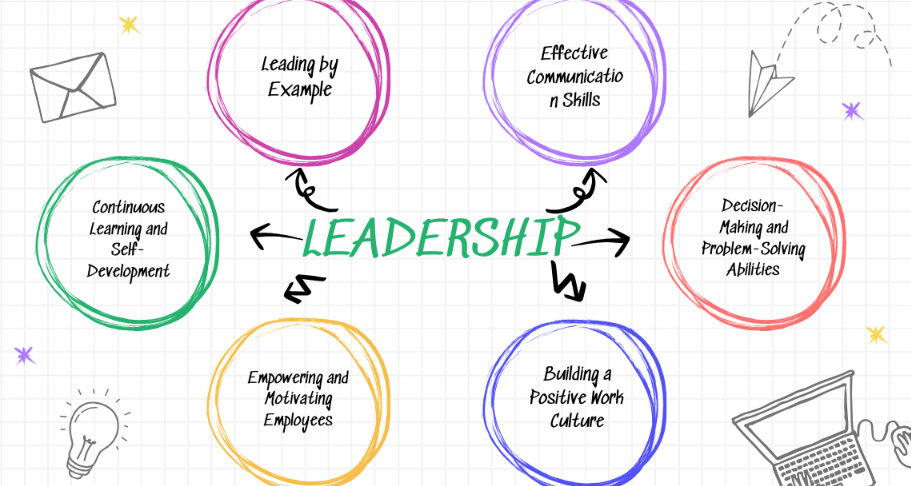
Thriving in an unpredictable, rapidly changing economy demands that leaders cultivate adaptability, emotional intelligence, data-driven insight, a commitment to continuous learning, outstanding communication, tech-savviness, and an inspiring sense of hope and trust.
Organizations that embody these leadership qualities will be better equipped to navigate complexity and seize opportunities, ensuring sustained success well into the future. These essential skills will only grow in importance as the pace of change accelerates across global markets.