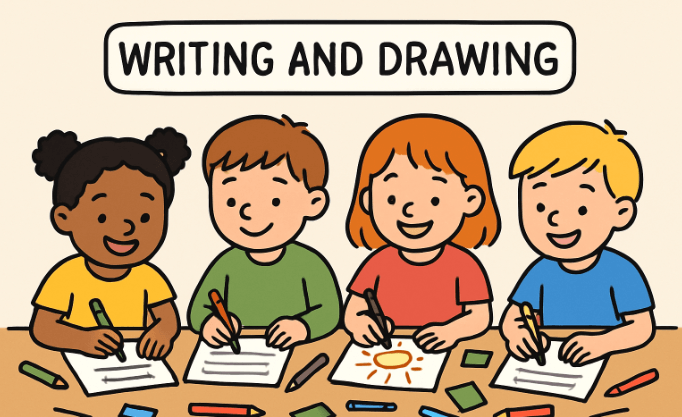
Inspiring children to write can significantly impact their literacy development and fuel their creative spark. By providing enjoyable and interactive experiences, adults can show young writers that expressing ideas through words is rewarding, fun, and accessible to everyone.
Table of Contents
Involving children in engaging writing activities at home or in group settings helps them build essential skills while having fun. For parents and teachers seeking ways to foster these abilities, resources like Studentreasures.com provide tools and ideas to get started with meaningful writing projects that make a difference in a young writer’s journey.
From group projects to the power of self-expression, encouraging children to write helps them gain confidence, improve their communication skills, and develop a love of storytelling.
Each activity listed below can be customized for differing interests, abilities, and group sizes, making them useful in classrooms, after-school clubs, or right at the kitchen table. The benefits go far beyond the classroom; kids gain a sense of pride and connection as their writing is shared, celebrated, and even published.
Create a Family Newspaper
Developing a family newspaper is a memorable way to get kids to write for a real audience. Children can report on family milestones, interview relatives about interesting memories, and create fun sections like comics or recipe corners. Assembling articles and artwork into a simple newspaper not only enhances writing abilities and design skills but also strengthens family relationships.
Engage in Shared Writing Projects
Shared writing encourages children to work collaboratively, building a story together one sentence or paragraph at a time. This could be as informal as passing around a spiral notebook at home, or as structured as teaming up with peers on platforms.
Each child contributes their ideas and learns about plot structure, voice, and teamwork. Shared writing projects are especially effective in group settings, helping foster discussion and creativity.
Utilize Interactive Writing Tools
Digital tools can transform the writing process into a playful, interactive experience for children. Websites generate creative prompts, while tools let kids design mock newspapers, brochures, and flyers.
These platforms encourage experimentation and engagement, motivating reluctant writers to get involved. By offering different formats of stories, news, and poetry, interactive tools ensure that every type of writer has an outlet and a chance to shine.
Start a Neighborhood Newspaper
Launching a local newspaper builds skills in writing, research, investigation, and public speaking. Children can interview neighbors, report on local happenings, and create recurring columns on topics that interest the community.
This activity helps develop responsibility, teamwork, and pride in one’s environment. Plus, it gives kids real-world experience in journalism that can grow into a lifelong passion.
Develop a Pretend News Channel
Setting up a pretend news studio at home encourages children to write scripts, conduct “interviews,” and present news in video or audio form. Using household items for microphones and smartphones for recording, kids can practice both writing and public speaking.
Developing a pretend news channel supports fluency and confidence, aids language development, and encourages performance in social settings.
Submit Articles to Children’s Magazines
Many children’s magazines invite young writers to submit stories, poems, or informative articles. This is a powerful motivator as it allows young authors to see their work in print and share it with a larger audience, boosting self-esteem and determination to improve. Outlets such as DIY Times are particularly encouraging for kids’ hands-on, creative projects.
Use Creative Writing Prompts
Writing prompts are a fantastic way to get reluctant writers started. Prompts can deal with anything from imagining a new world to describing a favorite memory or retelling a famous event from a new perspective.
Tailoring prompts to each child’s interests helps them overcome writer’s block and maintain regular writing habits. Over time, prompts offer a bridge to longer, more complex writing projects or personal stories.
See also: Fun and Memorable Ways to Celebrate Kids’ Birthdays
Participate in Writing Contests
Entering writing contests introduces young people to deadlines, constructive criticism, and recognition for their effort. Competitions exist for every age, skill level, and genre, from poetry and short stories to journalistic writing. Winning is not the only reward; simply entering helps sharpen skills, build resilience, and receive valuable feedback.
Final Thoughts
Bringing these activities into a child’s routine creates lasting connections and develops versatile writing skills. Whether children share stories among their peers or distribute a newspaper in their neighborhood, the experience of writing for authentic audiences fosters pride, creativity, and community spirit, attributes that will support them for years to come.