Sewer line backups are a homeowner’s nightmare, causing both expensive damage and a significant risk to health. Fortunately, most sewer backups are preventable with a mix of proactive habits, professional assistance, and smart home improvements.
Table of Contents
Learning why backups happen and how to protect your sewer system can help you avoid major headaches later. For those seeking help, professional sewer line replacement and repair in Ruston is a reliable option for preventing future issues and addressing current problems quickly.
Staying ahead of sewer line problems often means combining routine inspections, smart disposal practices, and targeted equipment installation.
Homeowners who understand the risks behind common clogs and system overloads are far better equipped to keep their plumbing systems running smoothly and safely for years. Maintaining clean, unobstructed pipes also improves indoor air quality and overall home hygiene while saving thousands in emergency repair costs.
Common Causes of Sewer Line Backups
Understanding the root causes of sewer backups is your best weapon against disaster. Multiple factors can lead to the kind of clogs and system overloads that result in a flooded basement or contaminated living space.
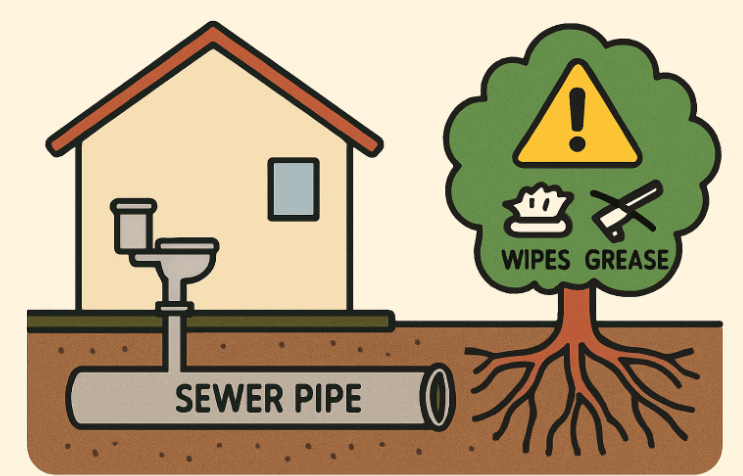
- Tree Root Intrusion: Mature trees can grow roots that seek out moisture, eventually infiltrating cracked pipes and creating severe blockages or damaging the sewer structure.
- Improper Waste Disposal: Items such as wipes, paper towels, feminine products, and cooking grease are not designed to be flushed and often accumulate in pipes until a blockage forms.
- Heavy Rainfall: Periods of intense rain can overwhelm municipal sewers, particularly where stormwater and sanitary sewers are combined, leading to water and waste backup into homes.
- Aging Infrastructure: Older homes may have pipes made of clay or cast iron, which are especially susceptible to cracks, shifts, and collapses, all of which encourage blockage and sewer backup.
Many communities across the country face similar challenges, and taking the time to understand your local infrastructure limitations can help in prevention. For more insight into common sewer problems and municipal responses, you can read recent guidance from the United States Environmental Protection Agency.
Routine Maintenance and Inspections
Scheduling annual or biannual inspections with a licensed plumber is one of the most effective ways to catch potential sewer line problems before they escalate.
Plumbing professionals use advanced tools such as small cameras to inspect pipes internally, allowing them to spot hidden cracks, intruding roots, or buildup that could lead to clogging.
After spotting potential trouble, technicians can recommend targeted cleaning, root removal, or minor repairs. Regular maintenance can also reveal issues related to the home’s connection to the municipal main, which could be overlooked by homeowners. When caught early, small repairs are much less expensive and disruptive than emergency sewer excavation.
Proper Waste Disposal Practices
The single most preventable cause of household backups is improper disposal of everyday waste. Make it a family policy to flush only human waste and toilet paper.
Even “flushable” wipes do not break down easily and can quickly accumulate in pipes, where they combine with oils or other debris to form clogs. Dispose of grease by allowing it to cool and harden, then throwing it in the trash rather than pouring it down the drain.
- Avoid Flushing Non-Flushable Items: Diapers, hygiene products, and paper towels are best disposed of in the garbage, not the toilet.
- Dispose of Grease Properly: Save an old container for collecting cooled fat and cooking grease, then discard it on trash day.
- Use Drain Screens: Simple mesh drain screens placed over sinks and shower drains are highly effective for keeping hair, food particles, and debris out of your pipes.
Embracing these practices not only safeguards your pipes but also helps preserve municipal sewer line infrastructure for everyone.
Installing Backwater Valves
In areas prone to flooding or heavy rainfall, installing a backwater valve can be the difference between a dry home and a significant loss. This mechanical device is installed by a professional in the main sewer line and allows wastewater to flow out of your home, but it closes automatically if water tries to return from the municipal system.
Not only do many insurance policies offer discounts for homes with these devices, but they are a proven safeguard against expensive repairs due to backup contamination.
Landscaping Considerations
Your yard and garden layout plays an integral role in sewer health. Large or fast-growing trees should never be planted near the path of sewer lines. As roots grow, they naturally migrate toward sources of moisture, including the smallest cracks in sewer pipes.
Before planting new trees or extensive gardens, consider having a plumber mark the location of your line. If you already have mature trees close to your sewer, consider proactive root pruning and regular pipe inspections to monitor for intrusion.
Recognizing Early Warning Signs
Catch sewer problems before they lead to disaster by watching for subtle warning signs. Gurgling sounds from pipes, water backing up in showers or toilets, persistent slow drains, or odd smells near plumbing fixtures are all red flags that indicate a blockage may be forming.
Basement floor drains are especially likely to show problems first if the main line is becoming clogged. Taking quick action at the first sign of trouble can save major expense and inconvenience.
- Gurgling sounds from drains or toilets
- Slow-draining sinks or tubs
- Unpleasant odors near drains
- Water backing up in lower-level plumbing fixtures
If you notice these symptoms, contact a trusted plumber right away before the issue escalates into a complete backup.
See also: Future-Proofing Your Solar Energy System: Strategies for Long-Term Success
Conclusion
Proactively preventing sewer line backups requires a multi-pronged approach, including routine inspections, responsible waste management, and strategic equipment like backwater valves.
By staying alert for early warning signs and educating all household members on best practices, you can protect your investment, maintain a healthy home environment, and save significantly on costly emergency repairs. Make sewer line health a regular fixture on your home maintenance checklist to keep your plumbing flowing properly year-round.